Around Christmas I get time to do work on an Excel application on the computer, feeding it with new figures about the honeybee colonies from the season. It helps me identify the least good colonies (which will get their queens
My selection parameters
I have prepared for and selected for varroaresistance for quite some years. Last year I learned how to test a colony for VSH, a simplified method described by John Harbo, easy for everyone to use. DWV-bees on the hardboard Before
Neonics and success
Bees visit corn for pollen, period. Bees visit canola for pollen. Bees visit potatoes for pollen (Danish tests). Bees visit a lot of flowers for pollen. Bees get what the pollen is enriched with. Neonics are not good for bees.
Reading the hardboard
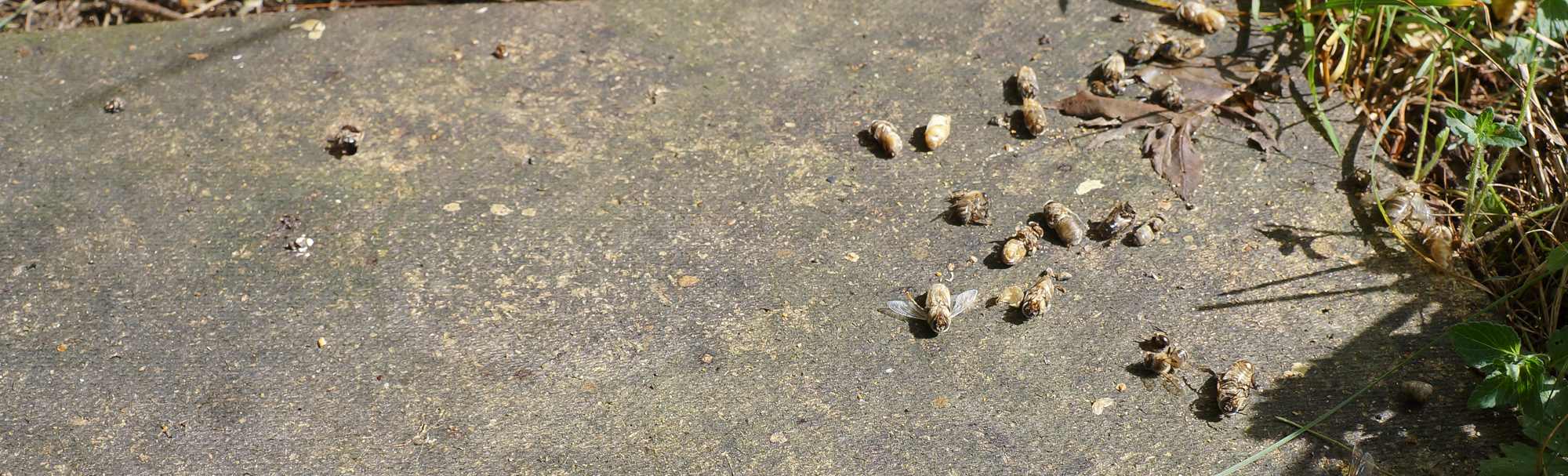
One of the most important parts in my management system has become a simple thin hardboard in front of the entrance. The first thing I do when I come to an apiary is going reading them. They give a lot
Swarm from a tree
Last year my friend had a call in July about a swarm that had come from a big old tree. The cavity couldn’t bee very big. And the swarm was not big. http://www.elgon.es/diary/?p=235 But the bees in the tree survived the
First Queen

Beware ye old men, the day have come when women run faster. Like in the old days of the survival of farmers, when the women were the beekeepers. Well, anyway my niece (I treat her mother as my sister though
Taking home the breeder
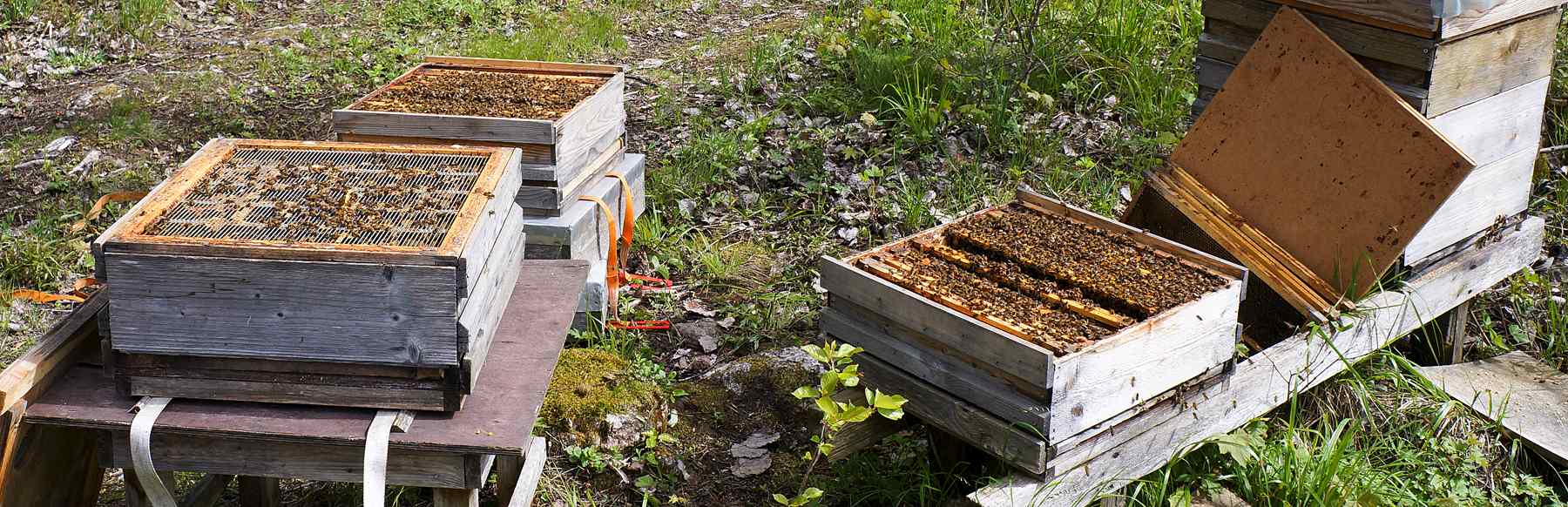
A week ago I brought home the breeder queens for ease of grafting. They should at least have been treatment free last year (2013) and they should not have been a new colony 2013. The queen should be at least
Producing varroa resistant bees from a local population
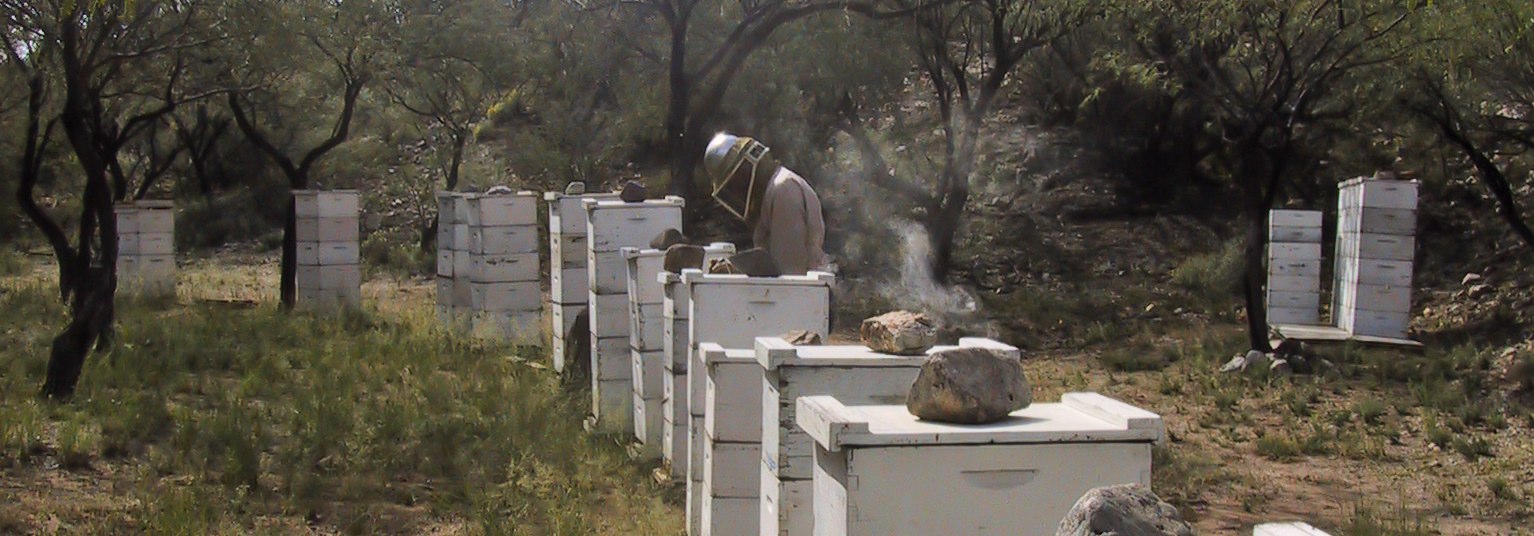
Erickson and Hines in test apiary 2003 Dr Eric Erickson did a great job in the 1990’s in Arizona together with A.H. Atmowidjojo and Lenard Hines (commercial beekeeper with 700 colonies), first showing it’s relatively easy to identify more resistant
First increase, the first apiary
A couple of days ago I started for the new season, to check colonies for need of food and for increase of space for bees and brood. I want to give you some glimpses. I checked four apiaries that afternoon.
Colony 47

Colony 47 is a remarkable colony. It started as a walkaway split last year. From colony 236. It is placed in apiary 4 as colony no 7. The split was moved from apiary 23 to apiary 4. When I checked